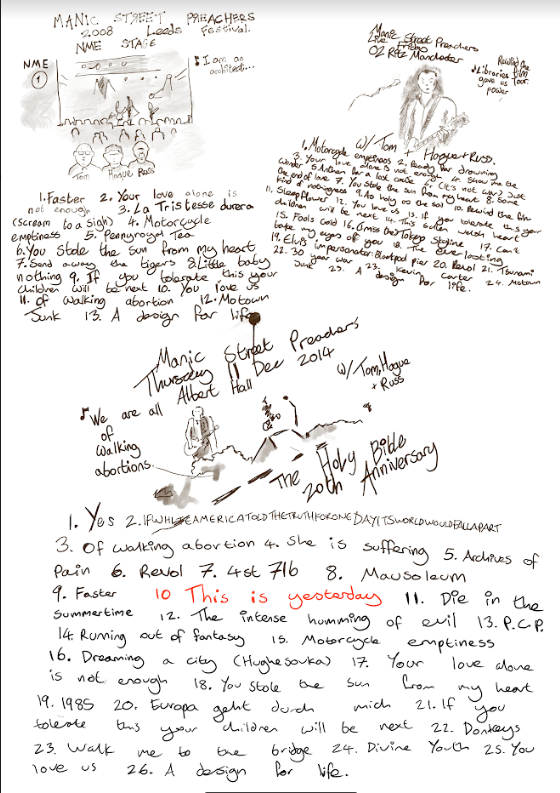
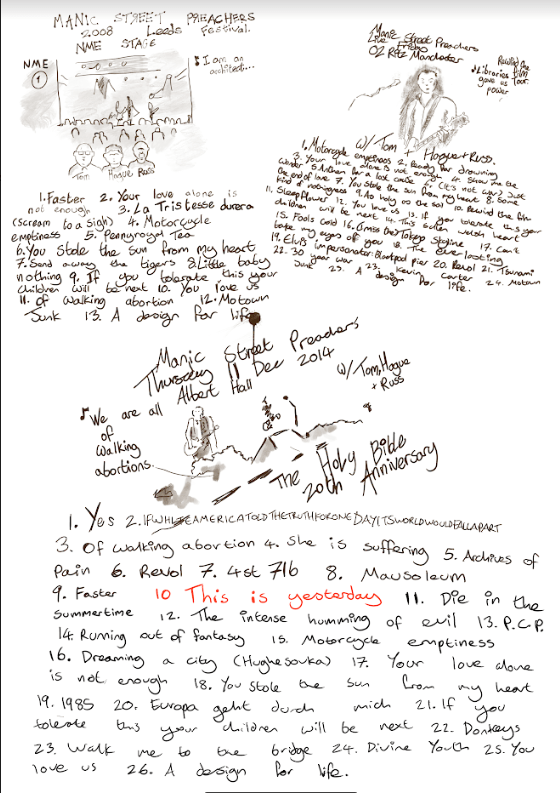
This is yesterday gig notebook. I have seen Manic Street Preachers live three times at Leeds festival 2008, Manchester Ritz in 2013 and Manchester Albert Hall in 2014 all with my friends Andrew and Tom. I have seen the band perform The Holy Bible in its entirety.
Kimathi Donkor is a contemporary artist who lives and works in London, England. His solo exhibitions include Kimathi Donkor: Notebooks at Brixton Library (London, 2021), Some Clarity of Vision at Gallery MOMO (Johannesburg, 2015), Queens of the Undead at Iniva (London, 2012) and Fall/Uprising at the Bettie Morton Gallery, (London, 2005). Group exhibitions include War Inna Babylon at the ICA, London 2021, the Diaspora Pavilion (57th Venice Biennale, 2017), Untitled: Art on the Conditions of Our Time at the New Art Exchange (Nottingham, 2017, touring to Kettle’s Yard (Cambridge, 2021) and the 29th São Paulo Biennial (Brazil, 2010). He is the recipient of awards, residencies and commissions including the 2011 Derek Hill Painting Scholarship for The British School at Rome and the 2019 De’Longhi Art Projects Artist Award.
Donkor’s work re-imagines mythic, legendary and everyday encounters across Africa and its global Diasporas, principally in painting, but also through drawing, video, assemblage, collage, digital design, performance and installation. His paintings address historic figures like Toussaint L’Ouverture and Harriet Tubman, as well as contemporary themes such as urban political dissent or the pursuit of leisure, beauty and knowledge.
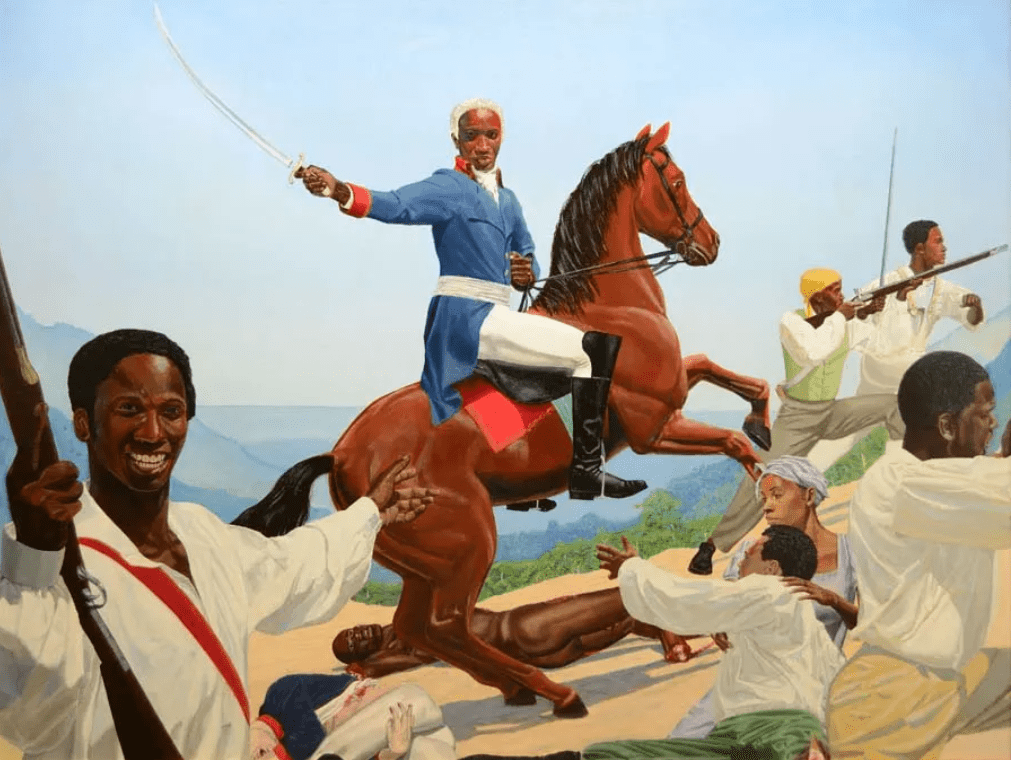
TOUSSAINT L’OUVERTURE AT BEDOURETE, 2004
Kamithi Donkor talked about this work Toussaint L’ouverture at Bedourete painted in 2004 148 cm by 194 cm with oil paint on linen. A fantastic picture depicting the Haitian revolution with the fighters in the foreground mirroring Napoleon crossing the Alps.
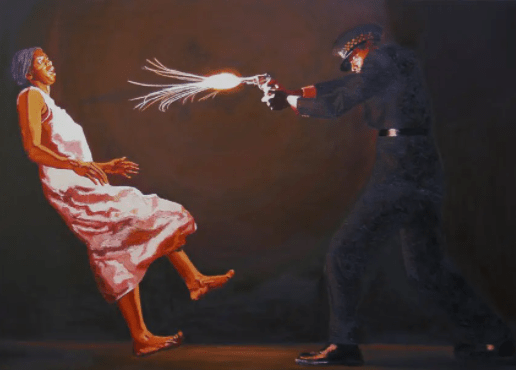
Under fire 2005 oil on linene
Under fire is a good example of Kamithi Donokor’s use of politics and the injustices directed towards the black populace. Cherry Groce was shot by Inspector Lovelock of the Metropolitan Police Service on 28 September 1985 during the course of an armed raid on her family home in Brixton, South London.
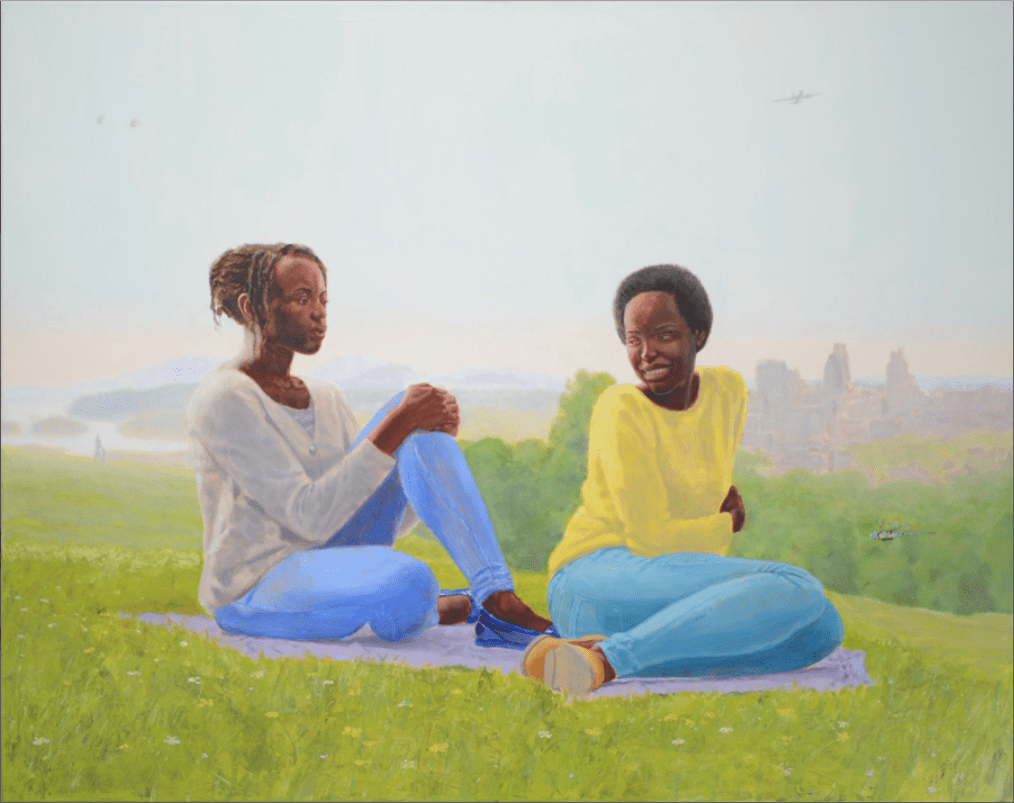
Call me blessed
Not all the pictures depict black trauma and Call me blessed is an idyllic scene where two women are enjoying the pleasant afternoon of a summer’s day.
Kamithi Donokor throughout his talk is such a pleasant and conscientious orator and I found his artwork to be inspiring; I love how he delves into these subjects with fervour but not only is he an accomplished artist he is genuine and heartfelt in his approach.
From Emily Speed’s site: My interests lies in the relationship between people and buildings and my work explores the body and its relationship to architecture. The idea of shelter and the inhabitant is at the core of much of my work; how a person is shaped by the buildings they have occupied and how a person occupies their own psychological space. https://www.emilyspeed.co.uk/about.php Emily began her talk about her exhibition Flatlands which was at Tate Liverpool. Emily talks about model villages and the spaces they create and other miniature models and architecture either represented in painting or the interiors of a person. Emily shows some examples of her work that includes performance, people dressed as buildings and even a building made out of Battenburg.
Emily talks about a piece called Innards:
Innards
Fountain, with live performance
Commissioned as part of A Woman’s Place, at Knole House in Kent, by Day & Gluckman, this work was comprised of a fountain, made from hand-made and hand-glazed tiles, made over a year, with a base built and installed by Kunstruct..
Text from the website: [Innards] explored the impact of Knole on the women who lived here, and of three women specifically: Victoria Sackville-West, Josefa Durán known as Pepita (her mother and infamous flamenco-dancer), and Vita Sackville-West (her daughter). A working fountain, ‘Innards’ borrowed the form of a dressing table and made public a space usually reserved for private ritual. Water, architecture, gardening and intimacy were brought together to reference important elements of these women’s lives.
The fountain echoed Victoria’s incredible energy and the installation of running water, electricity and telephone which she oversaw at Knole. The planting of Heliotrope nodded to Vita’s later career as a gardener. It was also the base note of Victoria’s favourite scent. The work alluded to the difficulties and complexities of these mother–daughter relationships, and of finding moments for tenderness, care and sensuality against the backdrop of public display and the performance of being a ‘lady’ of Knole.
Also included here is a short video of ‘Performing the Toilette’; a maquillage piece performed alongside and in response to ‘Innards’. Featuring the performer Natalie Sharp, and filmed and edited by Alice May Williams.
Emily speaks of rooms that are designed for women where women are literally within the confines of rooms but will break out of the spaces. https://www.emilyspeed.co.uk/section.php?name=works&page=Rooms Emily Speed talks about Terra Cotta and Flatland.
Yvonne Mullock was born in Chester, Cheshire, in the U.K in 1978 and currently lives and works in Calgary, Alberta, Canada. She was educated at Glasgow School of Art, B.A. (Hons) in drawing and painting.
Yvonne started her talk around the theme of composition that it could be a thought or an arrangement of ideas or the composition of ideas or structure of a project.
Yvonne was studying drawing and painting in Glasgow in 2001 and lived there for 15 years but is now based in Calgary, Alberta in Canada and has been there for ten years.
Yvonne works across a lot of mediums from textiles, video, printmaking and collage and loves to collaborate with other artists with expertise in their field.
Examples of this was a community quilt project, a pigeon race, climbing the highest tree and inspecting some moth species.
Yvonne works in costumes primarily for film and television even working on the revival of Fraggle Rock.
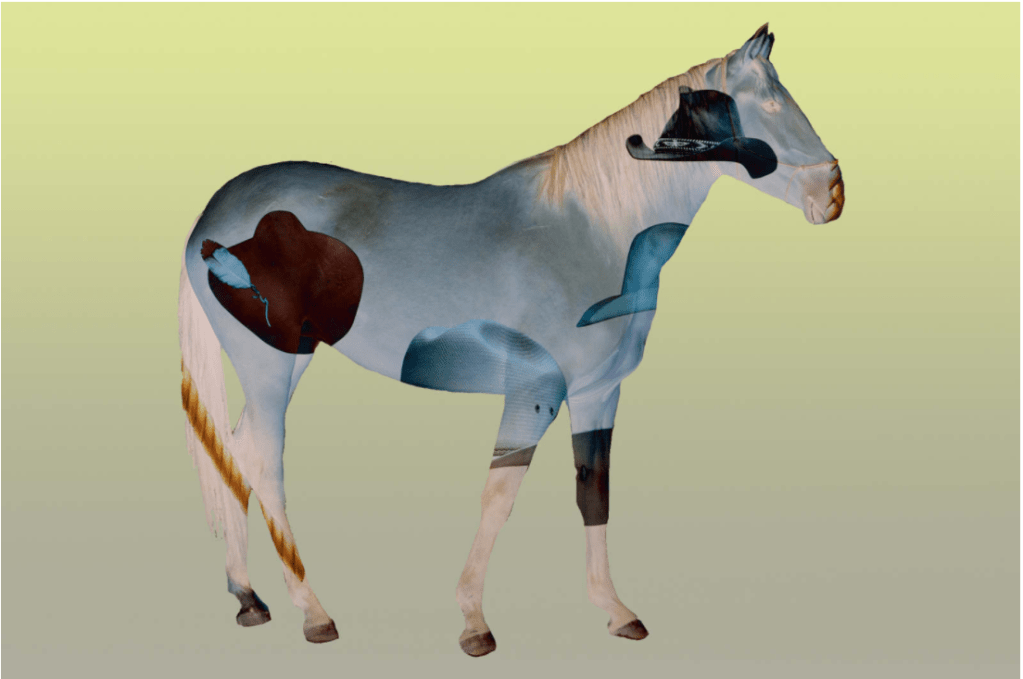
Dark horse Stride Gallery 2016
According to the Jarvis Hall Gallery website:
DARK HORSE is a multifaceted body of work that uses iconic symbols synonymous with cowboy culture – the stetson hat and horse as tropes to explore Calgary’s long and entwined history of ranching and the city’s historic annual Stampede event. Using print, video and sculpture DARK HORSE explores an innovative horse-centric printmaking method and invites viewers to delve into cowboy identity and Western mythologies that hover over the history, collective memory and folklore traditions in Calgary.
Yvonne talks about Smithbilt hats the original manufacturer of the Calgary White Hat, known for its symbol of hospitality. Made locally in the heart of Stampede culture and crafted with high quality felts for over 50 years. https://smithbilthats.com/?v=707f3a40153b
A monoprint of an inked Stetson hat that has been pressed by the weight of the horse where the horse becomes the creator.
Yvonne talked about an exhibition entitled The Welcome Stranger which is in full detail in the link above.
https://www.esplanade.ca/esplanade-exhibitions-programs-and-shows/harmonia This link takes you to Yvonnes latest exhibition entitled Harmonia. “Harmonia is a multifaceted exhibition by Calgary based artist Yvonne Mullock. The artist’s various creative interests, including costuming, fashion, performance, sculpture, and textiles, interact harmoniously within the fifteen-hundred-square-foot installation. From afar, the viewer is teased and intrigued by an enlarged peephole in a massive floating wall, which offers a glimpse of a pillowy, hand-dyed, tandem garment, draped on two poised, headless mannequins. Through a large projection, Mullock introduces the garment’s unique utility in her video, which is cleverly repurposed through larger-than-life still shots plastered to the gallery’s walls. Harmonia literally and conceptually connects various visual manifestations that speak to connectedness, transitory moments, and the cycle of life.” Taken form the link listed above.
Yvonne Mullock Born Chester, Cheshire, U.K 1978, Currently lives and works in Calgary, Alberta, Canada
Education
1997–2001 Glasgow School of Art, B.A (Hons) Drawing and Painting.
Emily Speed 3.3.2022
You may know the work of Emily Speed for her recent solo exhibition at the Tate Gallery in Liverpool, Flatland. This work is inspired by Edwin Abbott’s 1884 novella Flatland, a satire of Victorian society, where all existence is limited to two dimensions and women are restricted to thin, straight lines.
Known for her work examining the relationship between the body and architecture, Speed’s practice considers how a person is shaped by the buildings they have occupied and how a person occupies their own psychological space. Working in many different media, including sculpture, drawing, performance and film, Speed regularly collaborates with choreographers, dancers and filmmakers and embeds community groups and real life narratives within her work.
Kimathi Donkor 10.3.2022
Kimathi Donkor is a contemporary artist who lives and works in London, England. His solo exhibitions include Kimathi Donkor: Notebooks at Brixton Library (London, 2021), Some Clarity of Vision at Gallery MOMO (Johannesburg, 2015), Queens of the Undead at Iniva (London, 2012) and Fall/Uprising at the Bettie Morton Gallery, (London, 2005). Group exhibitions include War Inna Babylon at the ICA, London 2021, the Diaspora Pavilion (57th Venice Biennale, 2017), Untitled: Art on the Conditions of Our Time at the New Art Exchange (Nottingham, 2017, touring to Kettle’s Yard (Cambridge, 2021) and the 29th São Paulo Biennial (Brazil, 2010). He is the recipient of awards, residencies and commissions including the 2011 Derek Hill Painting Scholarship for The British School at Rome and the 2019 De’Longhi Art Projects Artist Award.
Donkor’s work re-imagines mythic, legendary and everyday encounters across Africa and its global Diasporas, principally in painting, but also through drawing, video, assemblage, collage, digital design, performance and installation. His paintings address historic figures like Toussaint L’Ouverture and Harriet Tubman, as well as contemporary themes such as urban political dissent or the pursuit of leisure, beauty and knowledge.
Julia Kristeva asks in her book Black Sun: Depression and Melancholia, (1992) if the beautiful can be sad. If ‘beauty is inseparable from the ephemeral and hence from mourning’. She wonders if the beautiful object is the one that tirelessly returns following destructions and wars in order to bear witness that there is survival after death, that immortality is possible’. Blejerman has spent the last decade exploring through her practice the materiality of absence: the absent body, the absent woman, and the invisible woman artist. This investigation led to the production of a series of large scaled printed digital paintings offered as part of burial ceremonies including A Visual Theory of the Soul Ceremony, held behind Wadsley Cemetery, Sheffield, and exhibited at VOMA Space, (2020); The Soil Where Women (Dis)appear, Newcastle University, School of Architecture, Planning and Landscape funded by the Institute for Creative Arts Practice (2021) and at The International Lab for the Nature of Burials and Contemporary Fine Art, an ongoing artwork produced through a series of online conversations. As well as the collaboration with artist Nick Stewart in his film As Sure as the Rain (2017), awarded a Silver Laurel by the Independent Film Awards in Los Angeles. Her work has been exhibited nationally and internationally and her texts have been published in the U.K., France and U.S.A. Blejerman is currently working on a PhD at Sheffield Hallam University, Fine Art Department where she also is an Associate Lecturer in Fine Art. J. Kristeva Black Sun: Depression and Melancholia, Columbia University Press (1992)
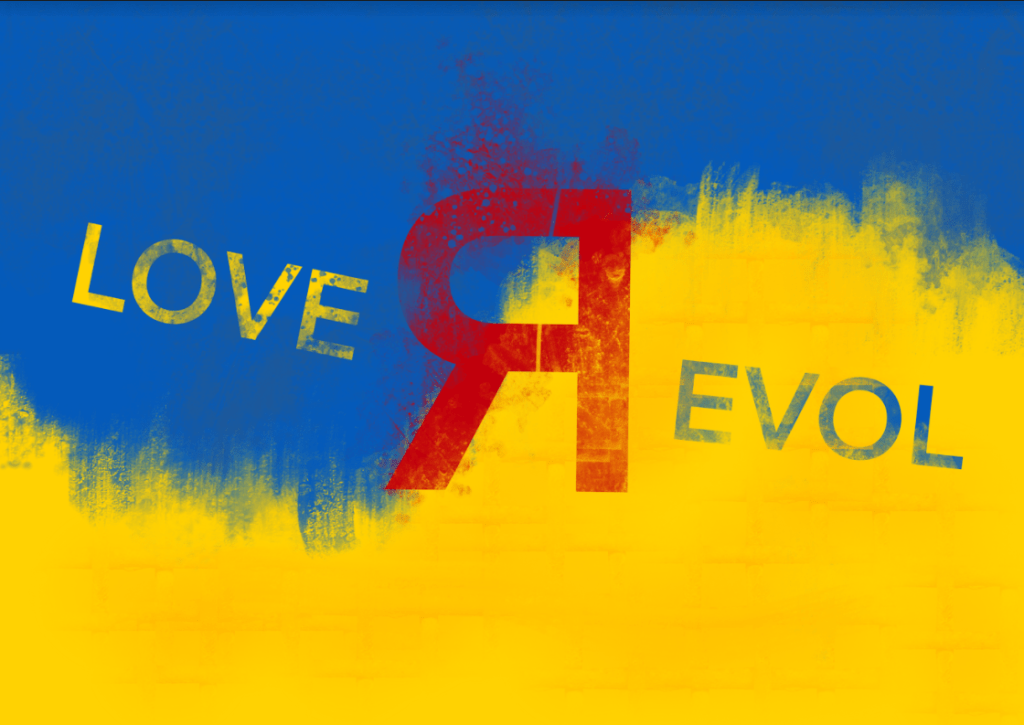
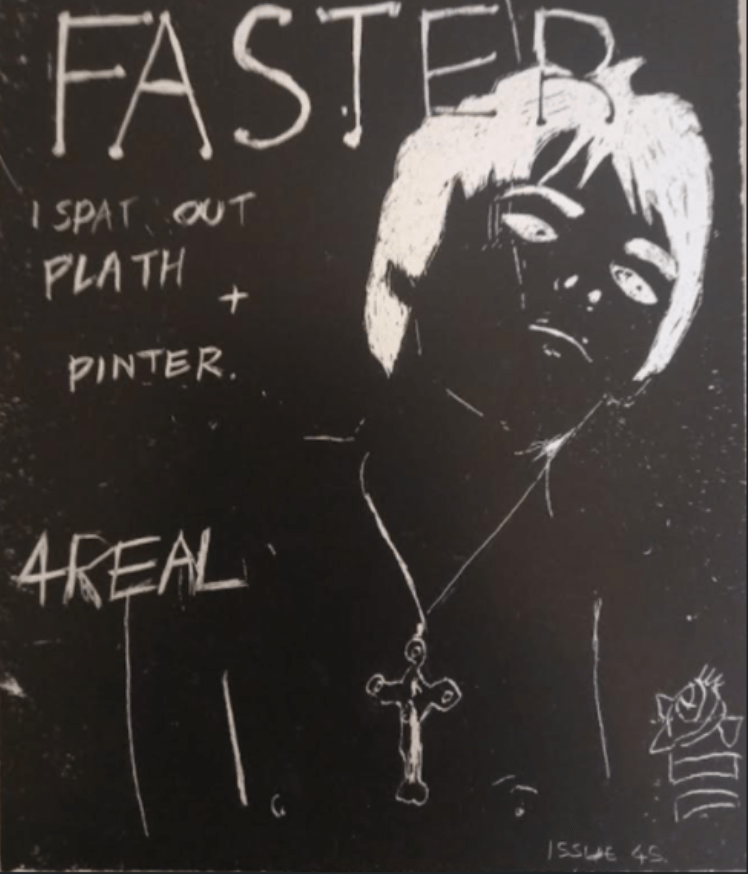
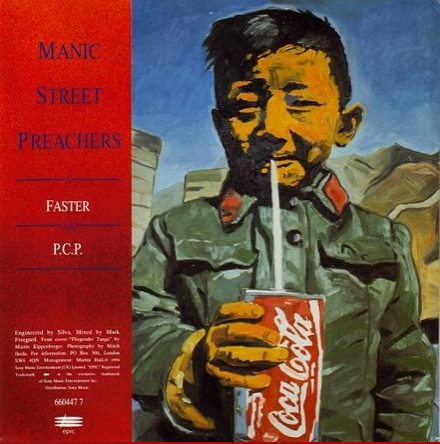
I bought this single which had Faster and P.C.P. on it way before the album was released and it gave me a totally different expectation to how the album would sound. I was expecting three minute punk songs but apart from these Revol and Yes the album was slower and much darker than that. I love this track and it’s such a good way to end the album and after the spiral down into the holocaust of the previous track this was a welcome burst of energy. P.C.P. is an acronym for the drug phencyclidine but within those letters it can also refer to political correctness and police constable which are namechecked in the song.
“P.C.P.’ is an interesting prospect within the context of The Holy Bible and as a joint A-side with ‘Faster’. As the album’s closer, the song provides a rare moment of relative levity immediately after the crushing darkness of [T73] ‘The Intense Humming of Evil’; fast-paced and with some oddball lines, it is actually quite amusing in places. It is these qualities that made it a natural counterpart to ‘Faster’ on the single, although that role for the song is seldom remembered today (it was not included in the band’s single ranking in 2011, for example).
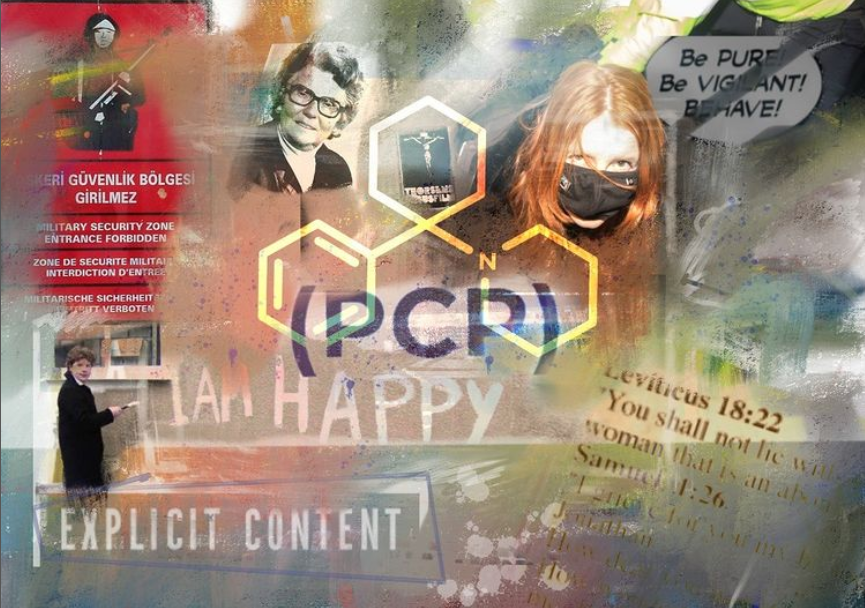
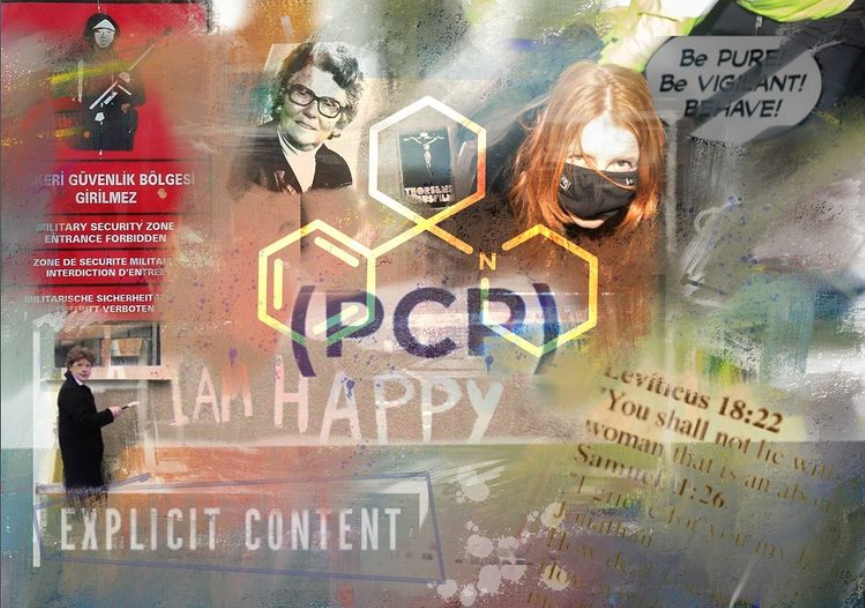
The track has a kind of darkly playful aspect to it, which is nicely summed up by the clever title, which has fun with acronyms. “PCP” is itself an acronym for phencyclidine, a recreational and hallucinogenic drug, but the letters also contain the acronyms for political correctness, police constable and (perhaps not relevantly) Conservative Party. Political correctness is the song’s main theme; in Melody Maker in 1994 Wire described the idea as “inherently good”, but something that, like socialism, had been abused and could lead its adherents to become not more fair, but almost tyrannical in an Orwellian kind of way. The lyrics are arguably a sort of satire on this idea, which take it to extremes.
‘P.C.P.’ can be seen as an example of a Manics song which deals with issues which, if anything, have gone on to be of larger importance in the almost twenty years since its release – in particular, political correctness is still an issue of debate in the UK, as are designer drugs and the song’s other theme: the increasingly dumbed-down, hollow and grey nature of contemporary society. One of the Manics’ enduringly confusing and mysterious lines is “king cigarette snuffed out by her midgets”: something to do with banning smoking presumably, but midgets?
Musically, the song is one of the most straightforward balls-to-the-wall rockers on The Holy Bible; the otherwise jarring shift from the previous track on the album to this one is softened slightly by the initially quite ponderous, leaden drums from Moore in the intro. After this interlude the song becomes much faster, but in keeping with the humour in the lyrics there are some other softer touches, especially the backing vocals in the choruses.”
Lyrics:
Teacher starve your child, P.C. approved As long as the right words are used Systemised atrocity ignored As long as bi-lingual signs on view Ten foot sign in Oxford Street Be pure – be vigilant – behave Grey not neon, grey not real Life bleeds, death is your birthright
P.C. she speaks impotent, sterile, naive, blind, atheist, sadist Stiff-upper lip, first principle of her silence, of her silence
P.C.P. – a P.C. police victory P.C.P. – a P.C. Pyrrhic victory When I was young P.C. meant Police Constable Nowadays I can’t seem to tell the difference
Liposuction for your bad mouth boy Cut out your tongue, effigies are sold Words discoloured, bow to the bland Heal yourself with sinner’s salt Doctors arrested for euthanasia Kill smokers through blind vanity If you’re fat don’t get ill Europe’s gravestone carved in plastic
P.C. she says inoculate, hallucinate, beware Shakespeare Bring fresh air, king cigarette snuffed out By her midgets, by her midgets
P.C.P. – a P.C. police victory P.C.P. – a P.C. Pyrrhic victory When I was young P.C. meant Police Constable Nowadays I can’t seem to tell the difference
P.C. caresses bigots and big brother, read Leviticus Learnt censorship, pro-life equals anti-choice, to be scared of, of feathers P.C.P. – a P.C. police victory P.C.P. – a P.C. Pyrrhic victory When I was young P.C. meant Police Constable Nowadays I can’t seem to tell the difference
Lawyers before love, surrogate sex This land bows down to Yours, unconditional love and hate Pass the Prozac, designer amnesiac “Two hundred and twenty-seven Lears, and I can’t remember the first line.”
Choice Lyric “systemised atrocity ignored / as long as bi-lingual signs on view”
References Oxford Street – Europe’s busiest shopping street, located in Westminster, London.
Pyrrhic victory – a victory which almost completely destroys the victor in the process. Named after King Pyrrhus of Epirus due to his battles with the Roman Empire.
Liposuction – surgical procedure to remove fat from overweight people.
Euthanasia – also known as “assisted dying”. Ending a life in order to alleviate pain and suffering.
Inoculate – term used fairly interchangeably with vaccinate.
Shakespeare – William Shakespeare (baptised 1564 – 1616), English playwright and poet widely regarded as the greatest ever writer in English.
Big Brother – a character in Orwell’s Nineteen Eighty-Four, enigmatic ruler of the state of Oceania. Subsequently a term for government oversight or surveillance.
Leviticus – third book of the Hebrew Bible. Edwards referred the book being “used by homophobes to justify their hatred”.
Surrogate sex – sex with a specialised sex therapist designed to achieve a therapeutic goal.
Prozac – trade name for fluoxetine, an antidepressant drug.
Allusions Bi-lingual signs – this is probably an allusion to the road signs in the Manics’ native Wales, which are presented in both English and Welsh.
Quote “Be pure, be vigilant, behave” – a slogan used by Tomas de Torquemada, puritanical and xenophobic villain in Nemesis the Warlock, a long-running story in British sci-fi comics anthology 2000 AD (Torquemada shares his name with the infamous Spanish inquisitor). Edwards in particular was a fan of 2000 AD; when he was young a picture of his was printed in the comic – he won £3. Later, the 4 Real incident was satirised in a Judge Dredd story by Garth Ennis, and the character Domino wore a Manics t-shirt in the Grant Morrison story Zenith.
Closing Quote “227 Lears, and I can’t remember the first line” – spoken by Albert Finney in the 1983 film The Dresser, based on the 1980 Broadway play written by Ronald Harwood. “Lears” refers to performances of King Lear, Shakespeare’s tragedy play.
“There will always be those whose instinct inclines towards submission to authority, who are happy to shift beliefs in accordance with the fashion or decrees from above. Orwell called this the ‘gramophone mind’, content to play the record of the moment whether or not one is in agreement” ― Andrew Doyle, Free Speech And Why It Matters









 Rusty'sArtWerk