The aim of this project is to collect creative material to begin to populate your studio space. This material will be collected by walking one of a number of possible walks as shown on the handout map.
Between today and next Monday walk at least one of the map routes and collect visual material. Take time to investigate the landscape, following the map and getting a sense of the history and function of the landscape. the material could be:
-Photographs
-Drawings/sketches
-Drawn rubbings
-Notes/texts
-Objects found en route
bring this visual material back to the studio space to
-Print out photographs
-Scaling up sketches to become large scale or make sculptures from objects
-write a journal
-Make paintings from photographs
James our tutor gave us a slideshow and introduced us to this artist:
Lars Arrhenius
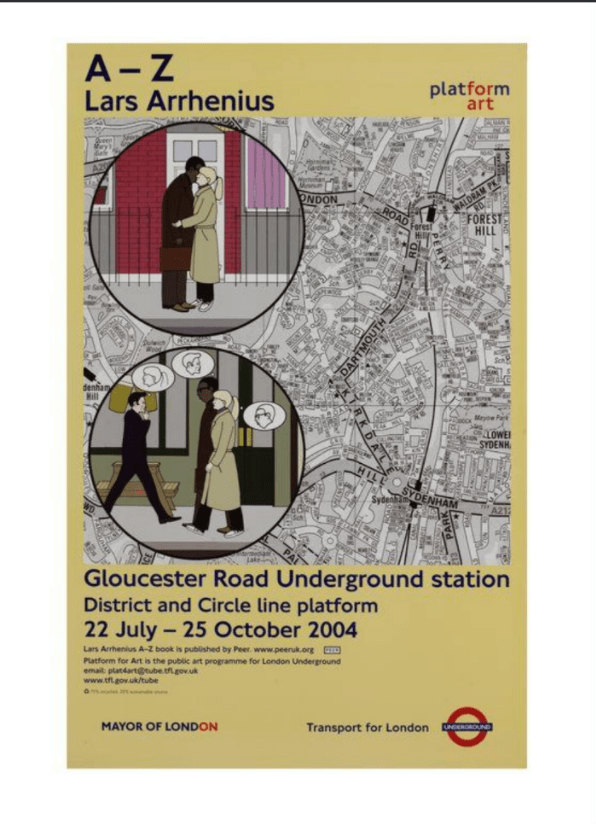
A-Z is an artist’s book that borrows the format of the classic street guide.
An investigative index by the author Geoff Ryman unpicks events and poses questions from the rhetorical to the unanswerable.
Psychogeography
originated in 50’s Paris “The study of the specific effects, consciously organised or not, on the emotions and behaviour of individuals.”
“…and in broad terms, psychology and geography collide a means of exploring the behavioural impact of urban place.”
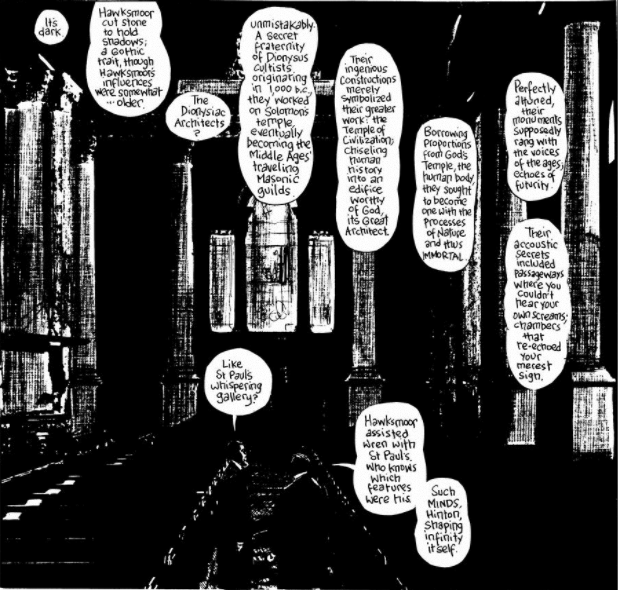
James gave emphasis to psychogeography referencing From Hell by Alan Moore.
There is a scene in which the ripper takes his coachman on a tour of the capital while explaining the historic significance and esoteric power of the symbols that they pass.
He marks these destinations on a map, drawing lines connecting each, to reveal how they form a pentagram over the city. The result is an occult psychogeography of London.
Desire paths
The illicit trails that defy the urban planners when cities lack the paths pedestrains vote with their feet.
https://www.tate.org.uk/art/artworks/long-a-line-made-by-walking-p07149
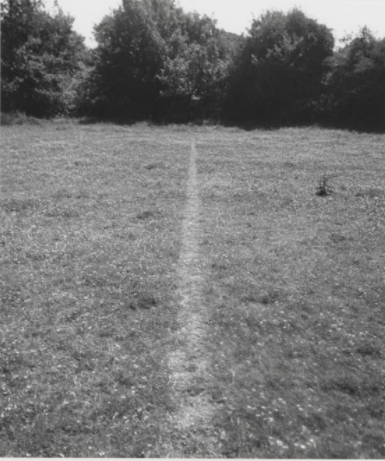
This formative piece was made on one of Long’s journeys to St Martin’s from his home in Bristol. Between hitchhiking lifts, he stopped in a field in Wiltshire where he walked backwards and forwards until the flattened turf caught the sunlight and became visible as a line. He photographed this work, and recorded his physical interventions within the landscape.
Although this artwork underplays the artist’s corporeal presence, it anticipates a widespread interest in performative art practice. This piece demonstrates how Long had already found a visual language for his lifelong concerns with impermanence, motion and relativity.
Gallery label, May 2007
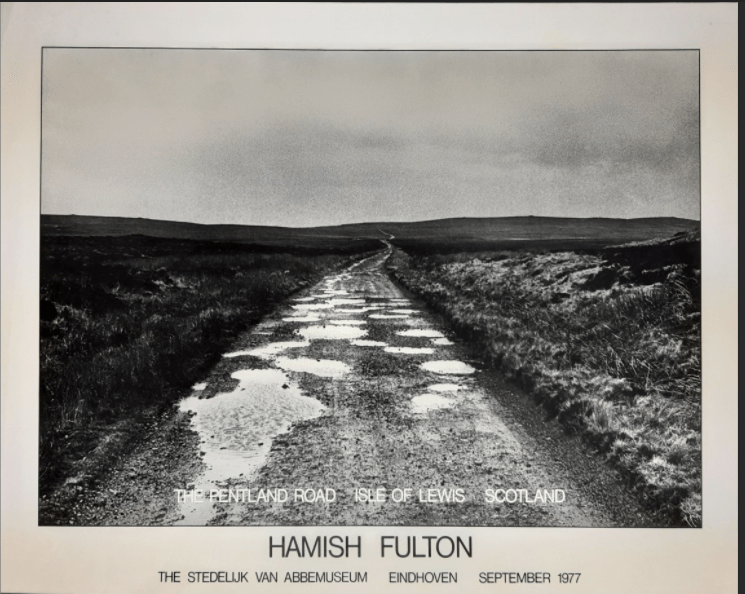
Hamish Fulton
An artist among walkers, a walker among artists: Hamish Fulton is an outlandish and inspiring figure. For almost five decades he has covered between 30 and 50 miles a day, depending on the terrain, in all weathers. From Soho to Saskatchewan, from his home in Kent to the peaks of Nepal, he has trekked, hiked and trudged the world in solitude. His object is to unite two apparently incongruous activities: walking and art.
by Carys Lake-edwards
Gilbert and George
http://www.gilbertandgeorge.co.uk/work/pictures

Chris Ware
Betye Saar
http://www.artnet.com/artists/betye-saar/
Betye Saar is an American artist known for assemblage and collage works. With a found-object process like that of Joseph Cornell and Robert Rauschenberg, Saar explores both the realities of African-American oppression and the mysticism of symbols through the combination of everyday objects.
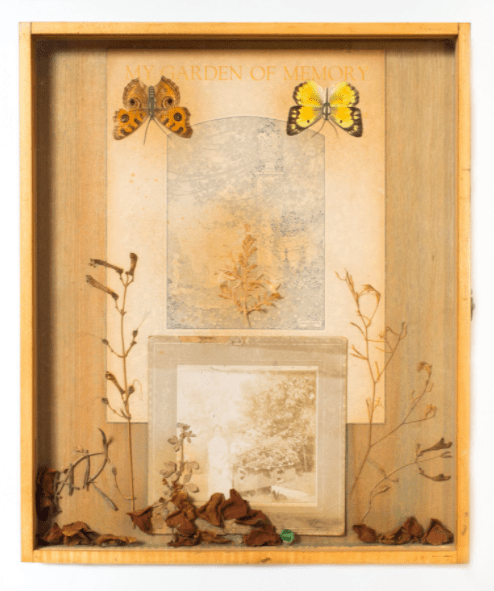
Joseph Cornell
Joseph Cornell (December 24, 1903 – December 29, 1972) was an American visual artist and film-maker, one of the pioneers and most celebrated exponents of assemblage.
Joseph used boxes to contain the world made from from found materials such as marbles, toys and seashells from souvenir shops.
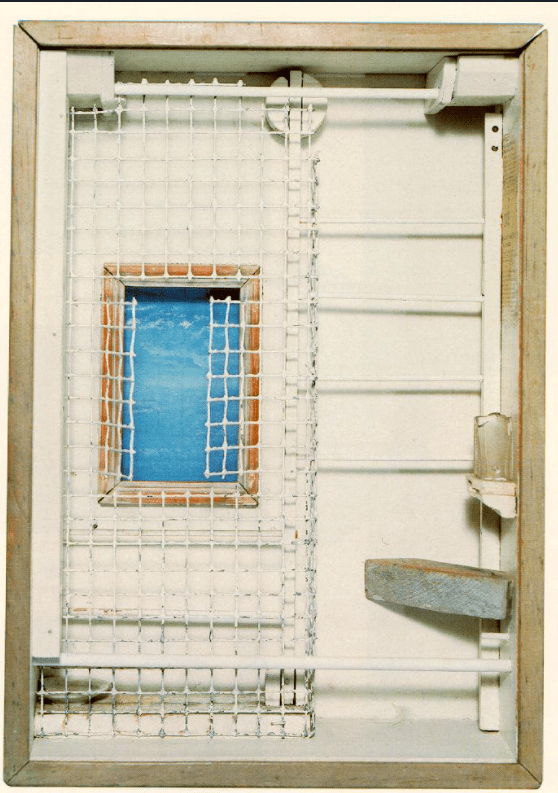
George Shaw
https://paragonpress.co.uk/works/twelve-short-walks

Laura Oldfield Ford
Janice Kerbel
https://catrionajeffries.com/artists/janice-kerbel/works/janice-kerbel-bank-job-1999
Janice Kerbel staked out a bank and made an installation that looks like the plannings of a bank job.

So I went out and took photos around kelham Island and Park Hill for inspiration using my Huawei phone.
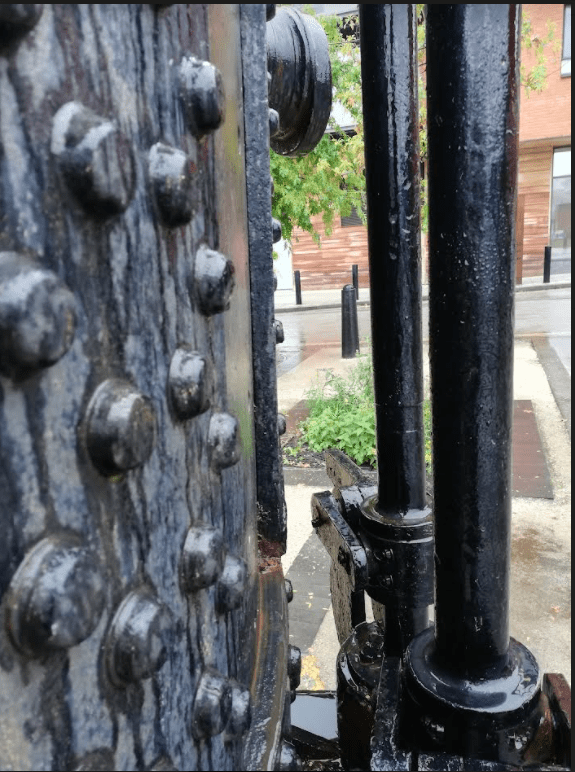
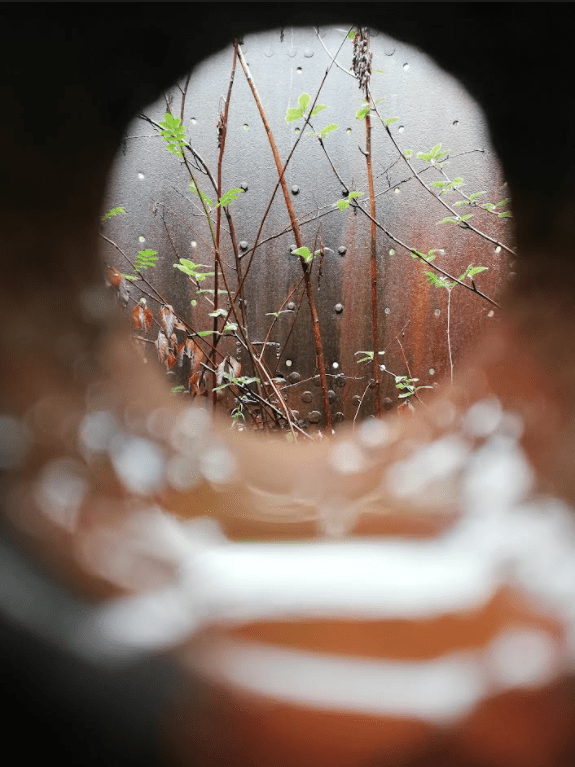

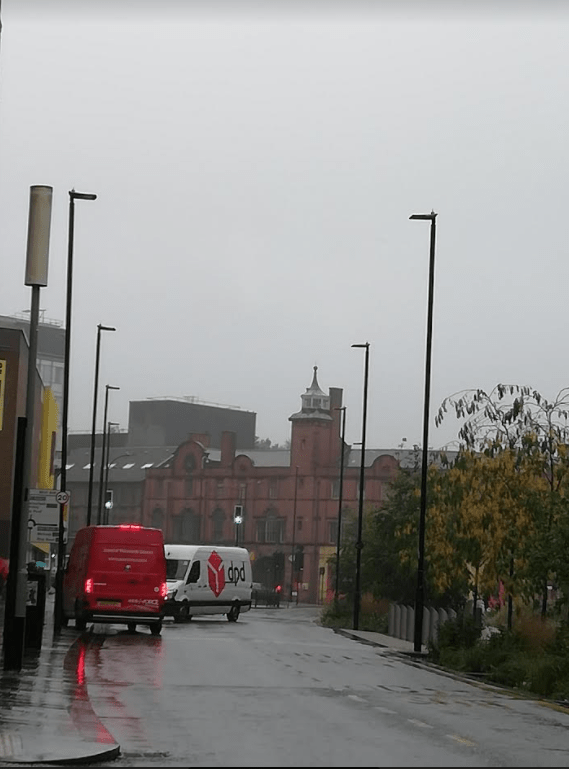

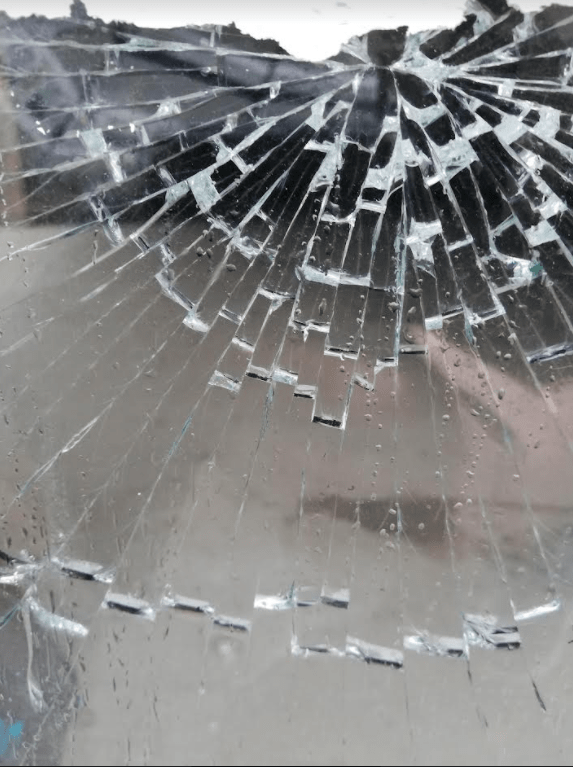
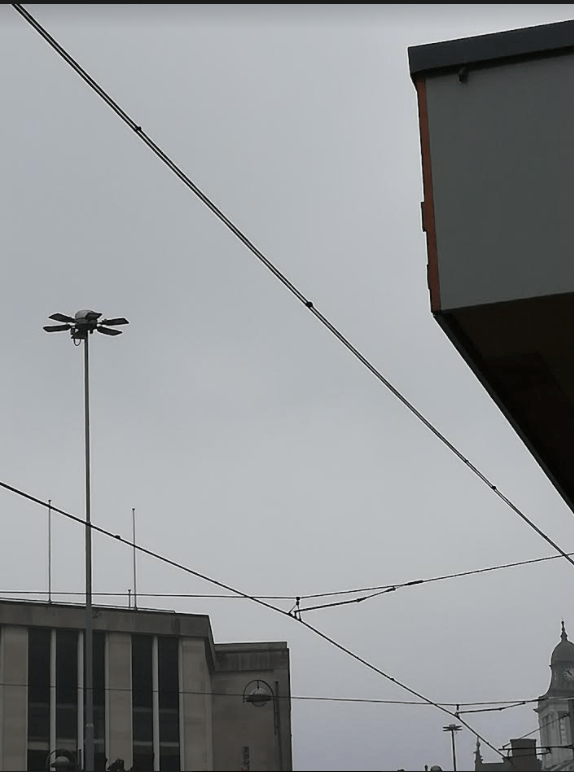
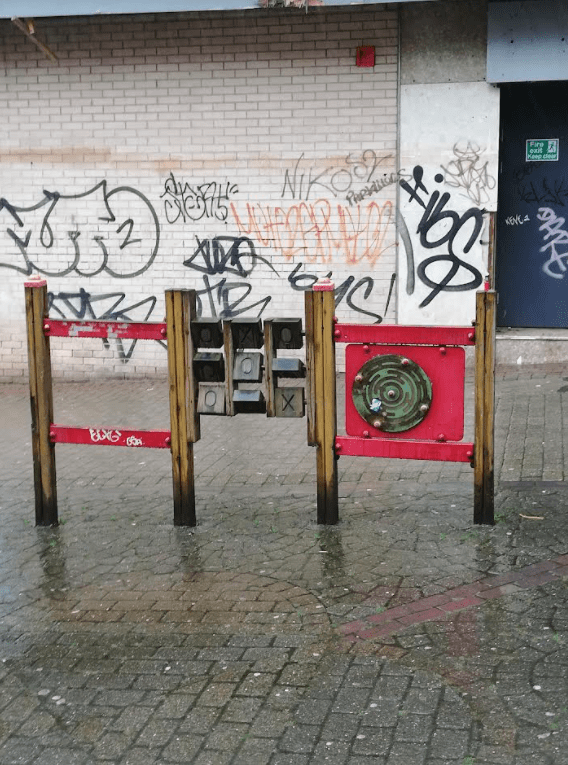
Some pictures of Park Hill.
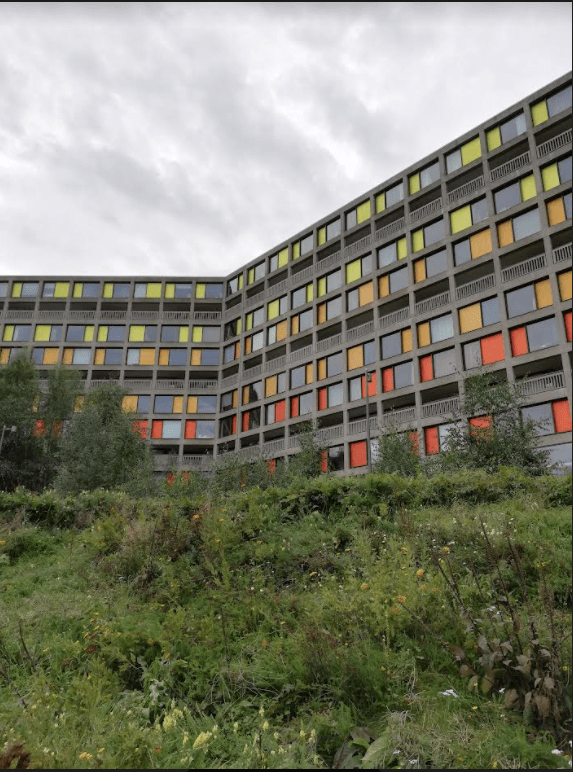
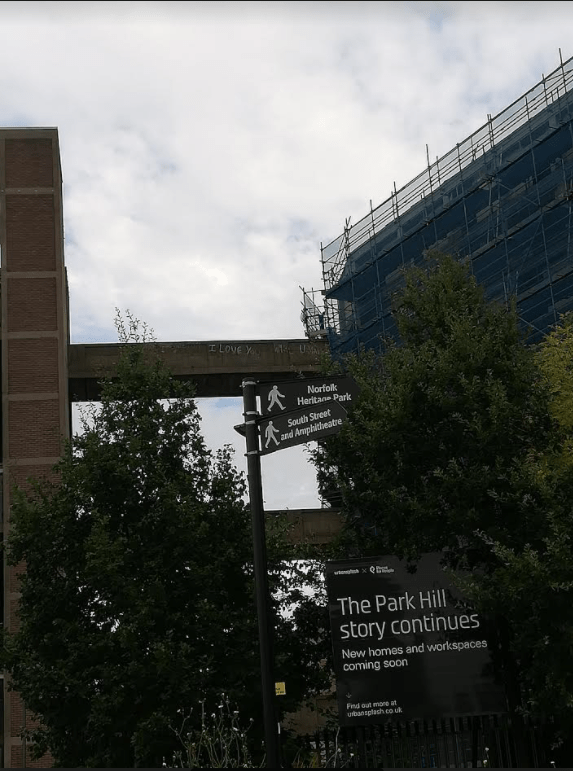
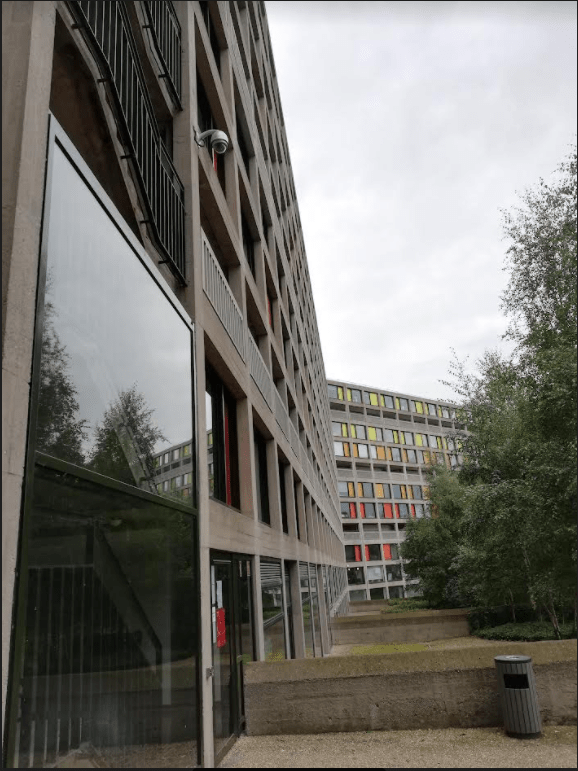
For the journey project I was intrigued by the psychogeometry of buildings. A job centre creates a schism of an us vs them attitude.
I thought about the slogan “Arbeit Macht Frei” works makes us free which appeared on the gates of concentration camps without irony.
The importance of being earnest is a book written by Oscar Wilde which i have took the title and changed into the impotence of being idle.~
What is work? Does sex work count as work?
I changed the signage of a Sheffield brothel to Paradise Lost instead of just Paradise (paradise for whom?).
I was looking for a job is a reference to The Smiths daubed above Spearmint Rhino to express that not everybody values employment is the same way.
Finally a beggar who is being choosy and wanting a minimum wage.

 Rusty'sArtWerk